

Studio Safety 101: No Creeps
Updated: Mar 16
What Could Happen in Music If Safety Was #1 Priority?
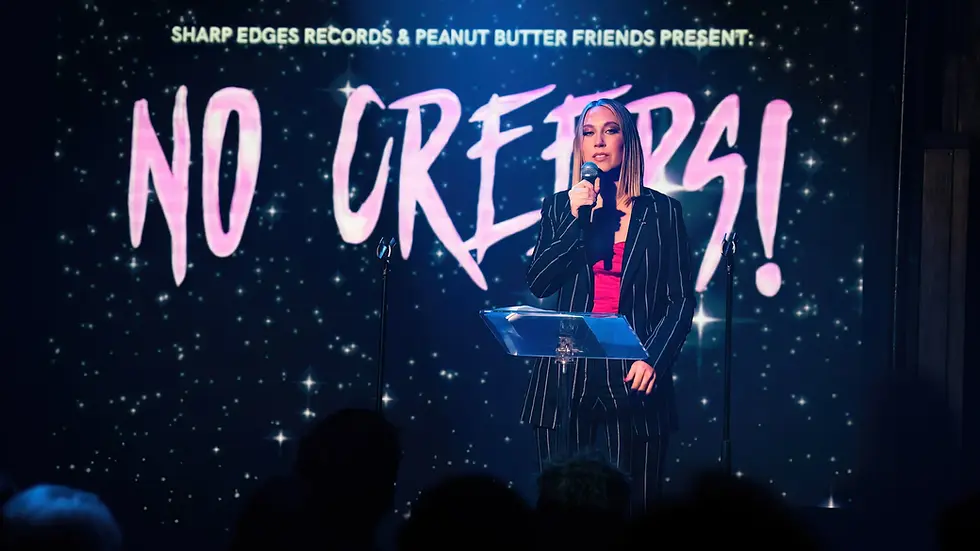
Katie Tucker, co-founder of No Creeps & Sharp Edges Records
The temperature’s dropping, masks are out, and we live in a post-2020 industry. Leaving the house now comes with layers of viral caution. For Katie Tucker, an LA-based songwriter and studio owner, the pandemic invited her to pause and ponder safety in ways beyond just falling ill. She wondered, what other “masks” have we neglected to wear in the music scene?
Creating a Safe Space
When it comes to cultivating her studio space, Katie believes artists must feel safe to do their best work. At the studio, everyone signs a contract on the way in. Engineers, artists, and guests are all held to the same standard: No harassment tolerated. You always have the right to end the session early if you feel harassed. In a year where one of the biggest household names in music faced serious charges, Katie believes it’s up to studio managers and owners to step up.
“No one should have to sacrifice their safety to create art.”
Katie’s studio is equipped with 24/7 cameras—inside and out—with strict closing hours from 2 to 10 a.m. This isn’t just for artist-engineer safety; it also disrupts the trend of engineers and producers crashing at their studio after all-night sessions.
“I have certain people that kind of fight me in the comments about the 2 a.m. end time. And I’m like, ‘Look, I understand if you’re a night owl, but you can work in the safety of your home. You can work with your trusted people, and hey, there are studios out there that offer that. But not my studio,” she laughed.
Stories of harassment and assault have poured out of the industry, especially with movements like #MeToo. Katie’s not just speaking out against this norm of violence; she’s building a new world. “While I am so passionate about offering this for other people, the other reason I moved the recording studio into becoming a safe space is that I wanted to create the kind of studio that my younger self didn’t have or didn’t have access to.”
The Journey to Sharp Edges Records
Before thinking about opening a studio, Katie was mainly a songwriter. After centering it in her career for a decade, she caught lightning in a bottle: a song that went double platinum in Japan.
“It just went from pinching pennies and a side job to paying for my life for a couple of years. During that time, I was able to invest in my own recording equipment and learn the technical side.”
Katie began working on her idea for Sharp Edges Records coming out of the pandemic. She realized her cycle of “coffee shop, songwriting session, sleep, repeat” wasn’t sustainable. While it’s important for young artists to network, something needed to change.
“I decided to start Sharp Edges as a creative artist-development company. Someone could come to me, and I would help them write a song, vocal-produce it, and record it. I would pair them with a producer, mixing engineer, and mastering engineer, helping facilitate the song from its inception to the final master.”
That was the original point of the studio: to have a place to meet and work on songs with clients from start to finish. Then word-of-mouth took over.
“As time went on, I started having more people asking me to use the space for their own projects because they were having bad experiences in other places. I quickly realized that the studio needed to become bigger than me. It needed to be a space that was offered to everyone.”
Building a Community
She brought in help from a friend, Hazel Rose, whom she met in 2020 at a women’s virtual songwriting camp. Hazel was working on her own project, Peanut Butter Friends—a queer and women-owned management and creative agency specializing in the music industry. Having a shared passion for safety, it made sense to combine forces and birth their movement: No Creeps.
Adjacent organizations caught wind of the No Creeps! movement as event planning began. From Women in Music to Rare Beauty, the newfound community drew big-name collaborations. Soon, they were able to offer mental wellness resources for music professionals and their families, thanks to Backline being a beneficiary for an event.
The Demand for Safety
“I think it just showed that there really is a demand and a need for this movement of increased safety in the music industry.”
From professional recording studios in the middle of the night to someone’s bedroom on a Monday afternoon, recording happens anytime, any day, any place. The question Katie faces now is how to integrate safety into each of those spaces.
“We’ve been really diving into creating our own safety tools, finding resources from these organizational partners that already exist. We want No Creeps to become a music safety hub.”
Referencing one of No Creep’s keynote speeches from global talent rep Adriana Arce, Katie says a creep is someone with unclear intentions, blurred boundaries, and power abuse.
“I think a lot of times these people still continue to exist. And I’m talking predators—predatory behavior, abusive behavior. We are talking about people like Diddy. The more that we actively reject that in every room, the more we can change the culture and make it so it’s not something people can just get away with easily.”
The Next Big Mission
What’s Katie’s next big mission? Creating a music industry safety board to further conversations around safety and provide artists with a formal place to submit complaints. Something like an industry-wide HR, except the kind that cares about you more than protecting the company.
Visit the No Creeps Website:
Visit the No Creeps Instagram:
Visit the Sharp Edges Website:
Visit the Sharp Edges Instagram:


Comments